Special Purpose Machines
When standard equipment doesn't fit your part or process, we design a machine that does.
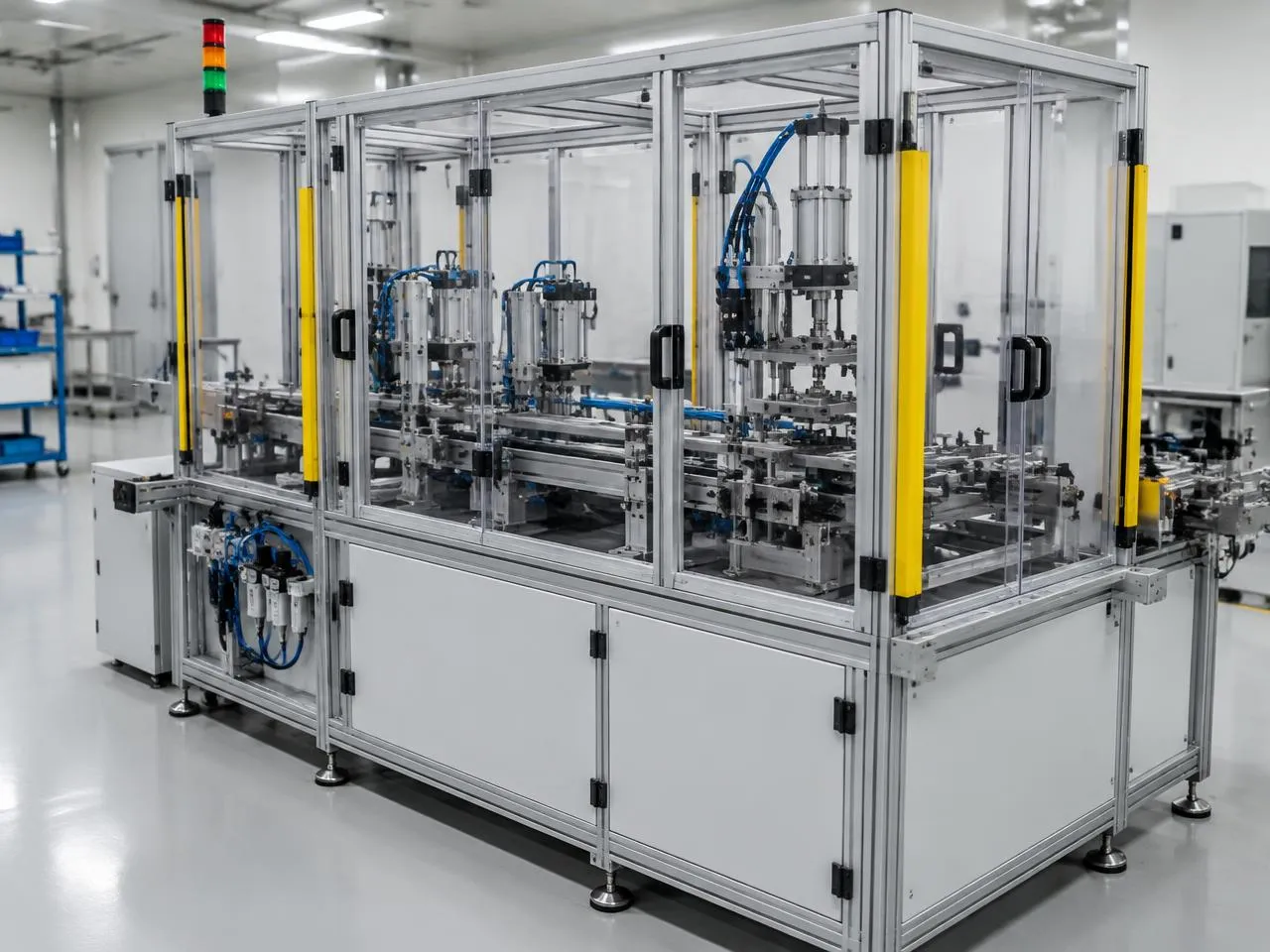
Special purpose machines (SPMs) are built around a single application: a particular part, operation sequence and output target. That focus allows them to be faster, more compact and more repeatable than general-purpose equipment.
We take an SPM from requirement study and concept layout through mechanical design, fabrication coordination, electrical and control design, assembly, trials and installation.
Throughout the project, design reviews keep you informed and give you the opportunity to adjust the concept before manufacturing begins.
Expected benefits
Depending on the application, automation can support consistent operation, improved precision, clearer diagnostics and easier equipment maintenance. Scope and suitability are assessed for each requirement.
Where it applies.
Typical applications and use cases for special purpose machines.
Assembly machines
Pressing, riveting, screwing and multi-station assembly.
Testing rigs
Leak, function and endurance test stations with recorded results.
Marking & identification
Integrated marking, labelling and verification.
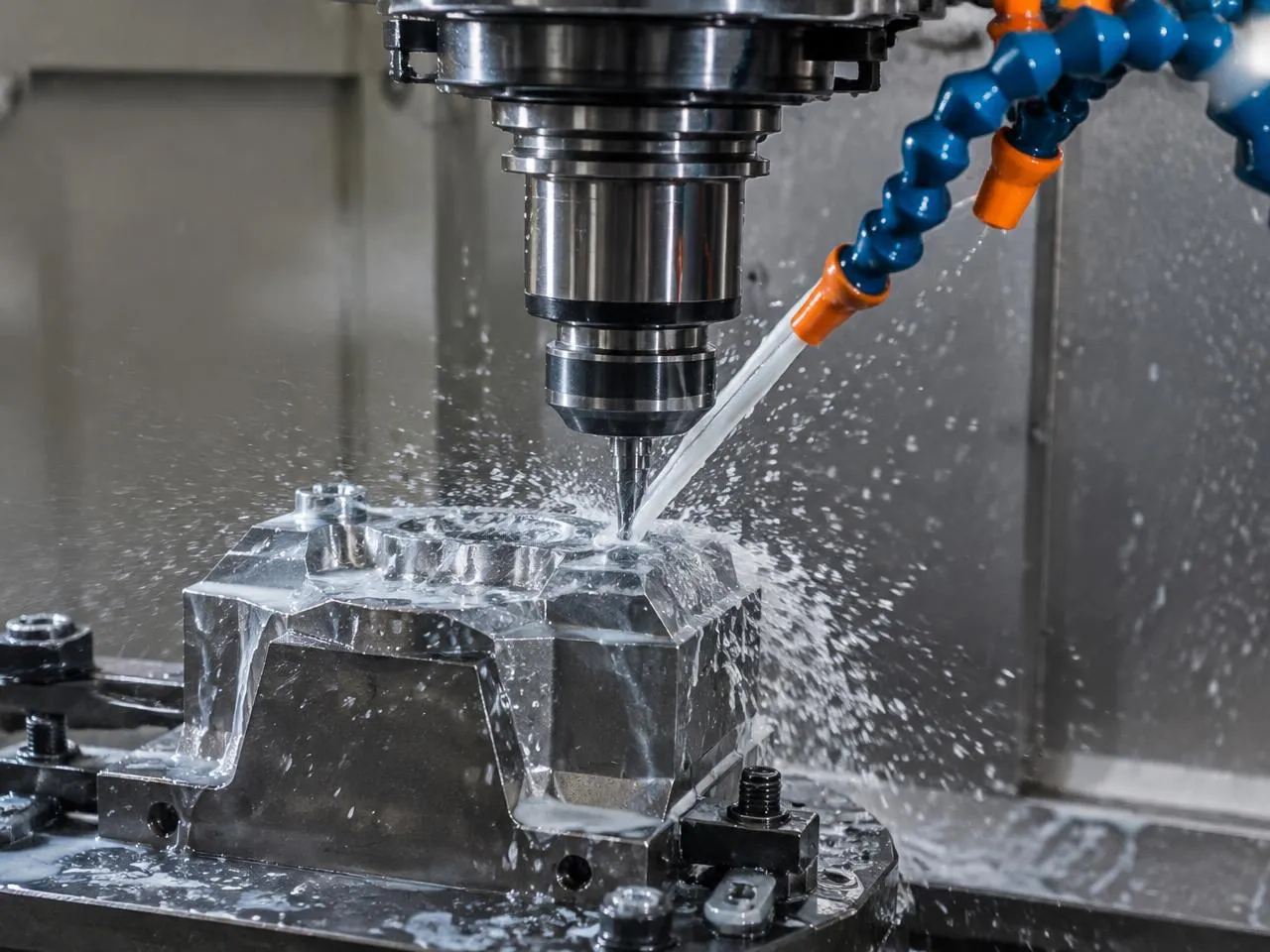
Machining SPMs
Dedicated drilling, tapping or finishing stations.
Dispensing
Controlled application of adhesives, sealants or lubricants.
Fixtures & tooling
Precision fixtures for consistent part location.
Typical components.
Components and technologies commonly involved. Exact selection depends on your application and existing plant standards.
How we deliver.
Our general workflow is adapted to the needs of each application.
Understand the requirement
Review the production task, existing equipment and practical constraints.
Design the automation solution
Develop the control and machine concept around the application.
Integrate and commission
Bring machinery, sensors, panels and control software together.
Test, support and optimize
Check system operation and identify opportunities for improvement.
In the field.
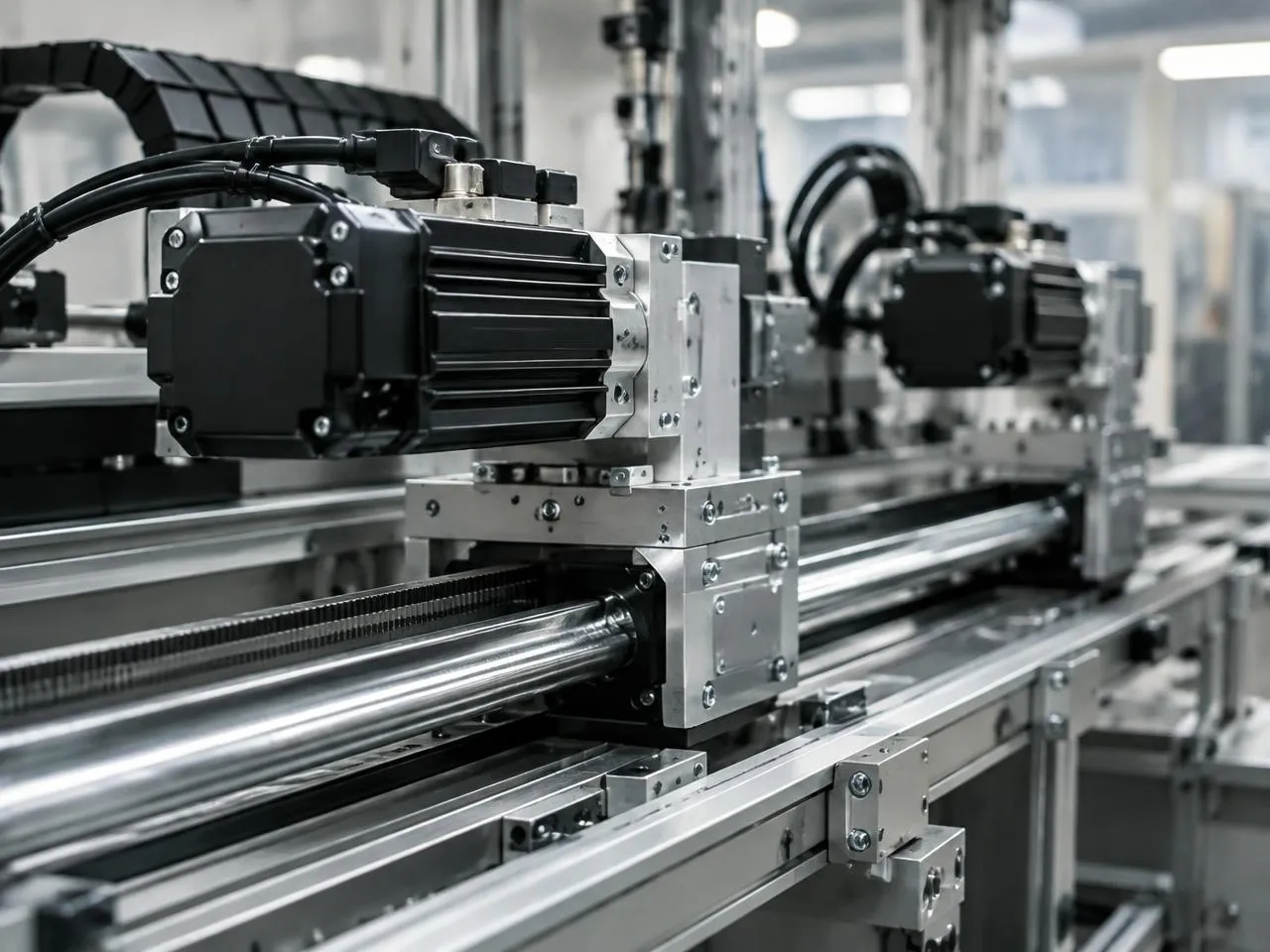
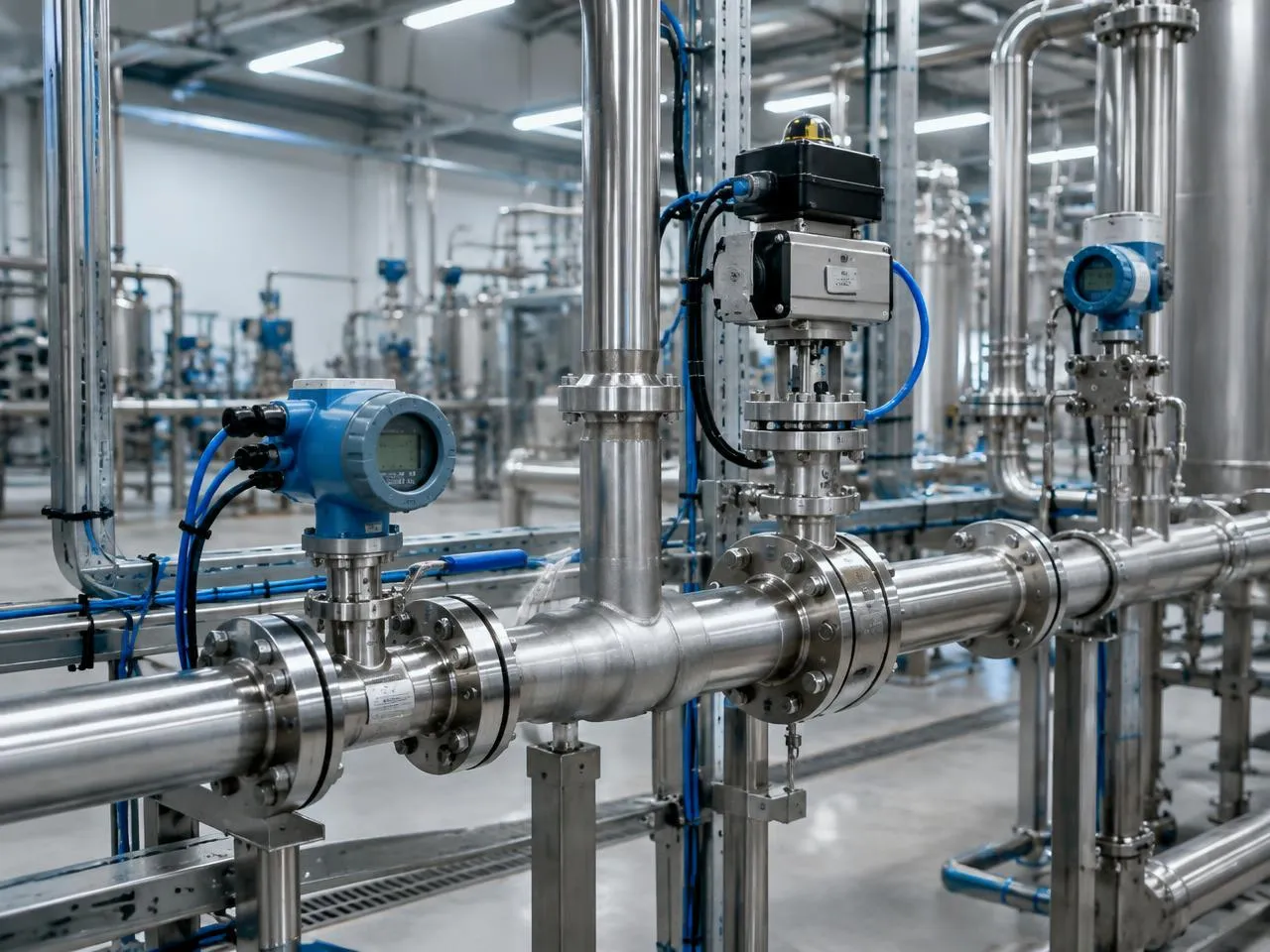
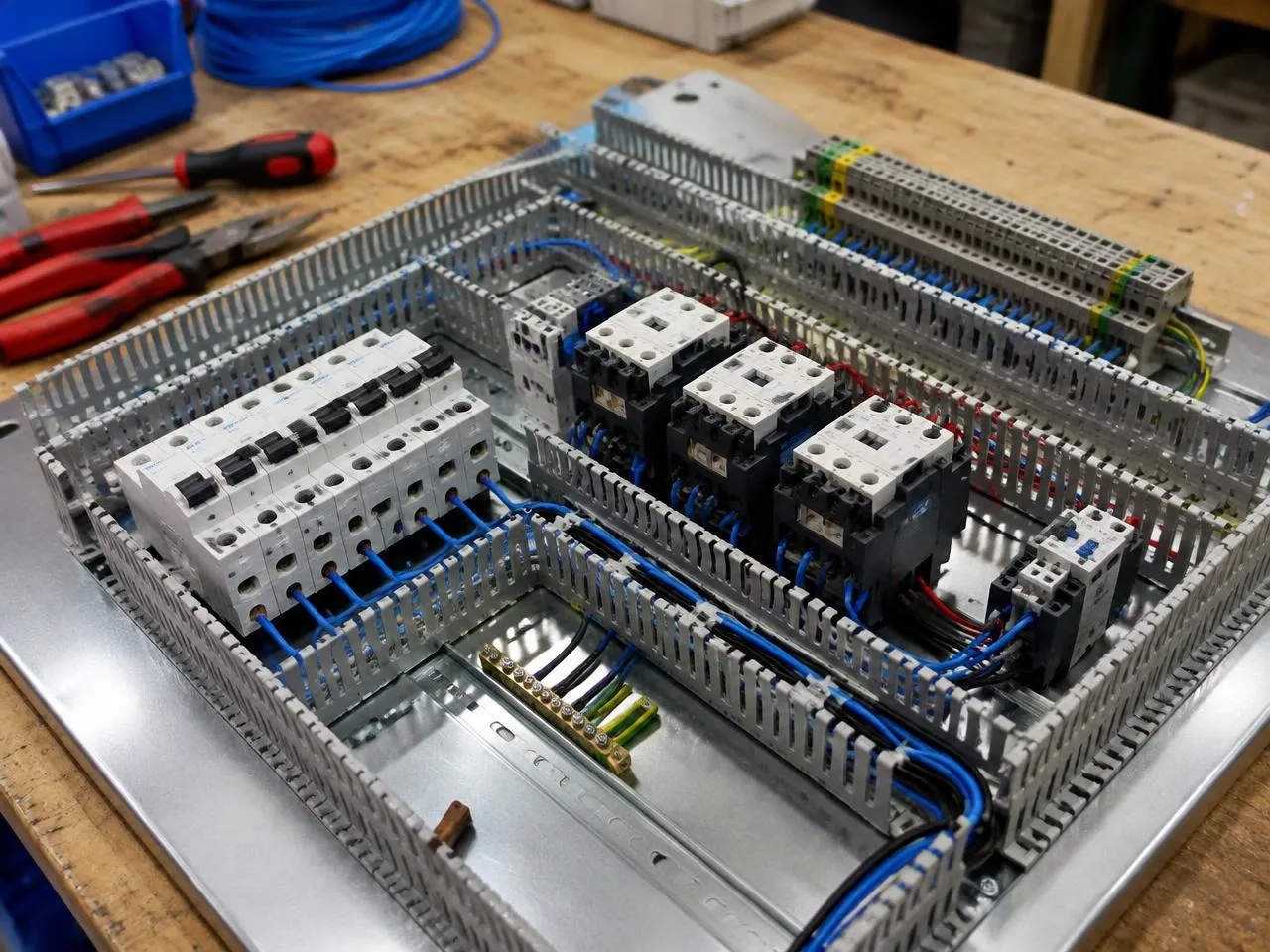
Illustrative industrial imagery; not verified customer installations.
Special Purpose Machines questions.
Part drawings or samples, the operation sequence, required output rate and any space or utility constraints.
Variants can often be accommodated with changeover tooling or recipes. This is defined at concept stage.
Explore more.

Discuss your automation requirement.
Tell us about your machine, production process or control-system requirements.