
Vision Inspection Systems
Camera-based inspection that checks every part at line speed, so defects are caught before they reach the next process or your customer.
Manual inspection is limited by fatigue and attention. A properly engineered vision system applies the same criteria to every part, every shift.
We begin with sample parts: studying the defect types, part variation and available space. Lighting, optics and camera selection are matched to the inspection task, because image quality determines reliability far more than software settings.
The vision result is integrated with your PLC for reject handling, counting and line interlocks, and inspection images can be stored where traceability is required.
Expected benefits
Depending on the application, automation can support consistent operation, improved precision, clearer diagnostics and easier equipment maintenance. Scope and suitability are assessed for each requirement.
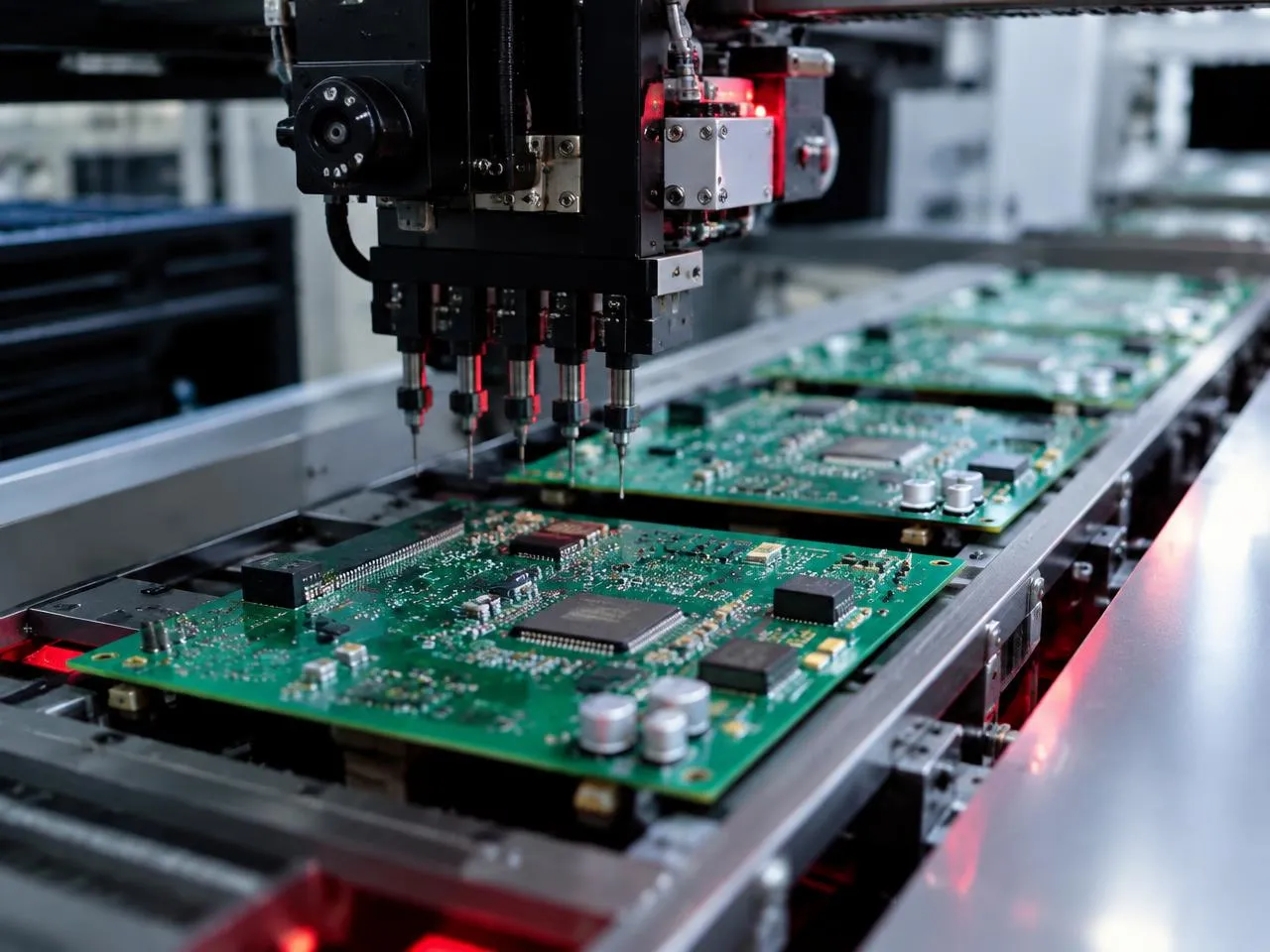
Where it applies.
Typical applications and use cases for vision inspection systems.
Presence / absence
Verifying components, fasteners, labels or features are present.
Dimensional checks
Non-contact measurement of edges, diameters and positions.
Orientation
Checking direction and position before assembly or packing.
Surface inspection
Detecting visible defects such as scratches, dents or contamination.
Code reading
Reading printed codes and characters for verification and traceability.
Robot guidance
Locating parts so a robot or axis can pick them accurately.
Typical components.
Components and technologies commonly involved. Exact selection depends on your application and existing plant standards.
How we deliver.
Our general workflow is adapted to the needs of each application.
Understand the requirement
Review the production task, existing equipment and practical constraints.
Design the automation solution
Develop the control and machine concept around the application.
Integrate and commission
Bring machinery, sensors, panels and control software together.
Test, support and optimize
Check system operation and identify opportunities for improvement.
In the field.
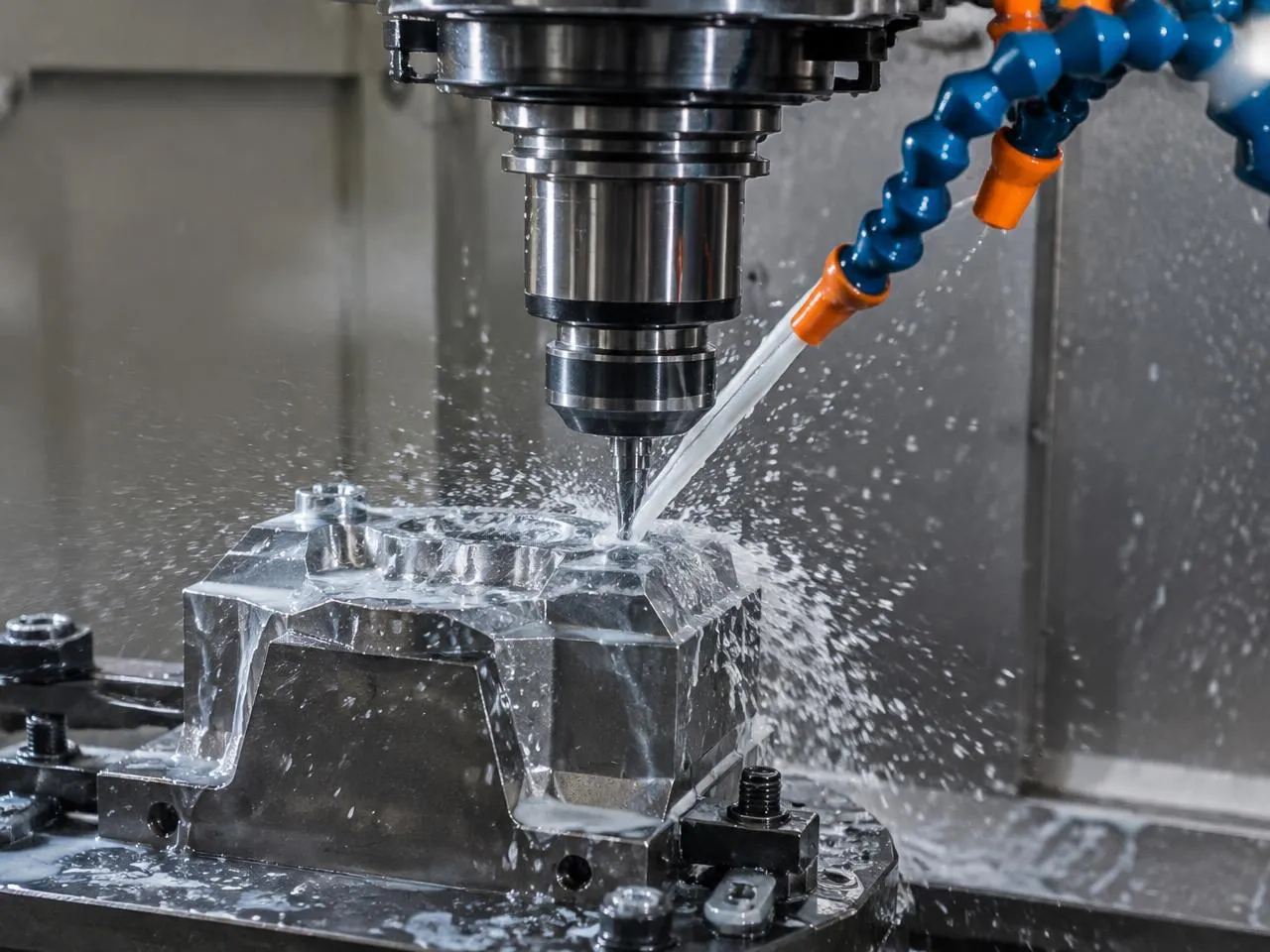
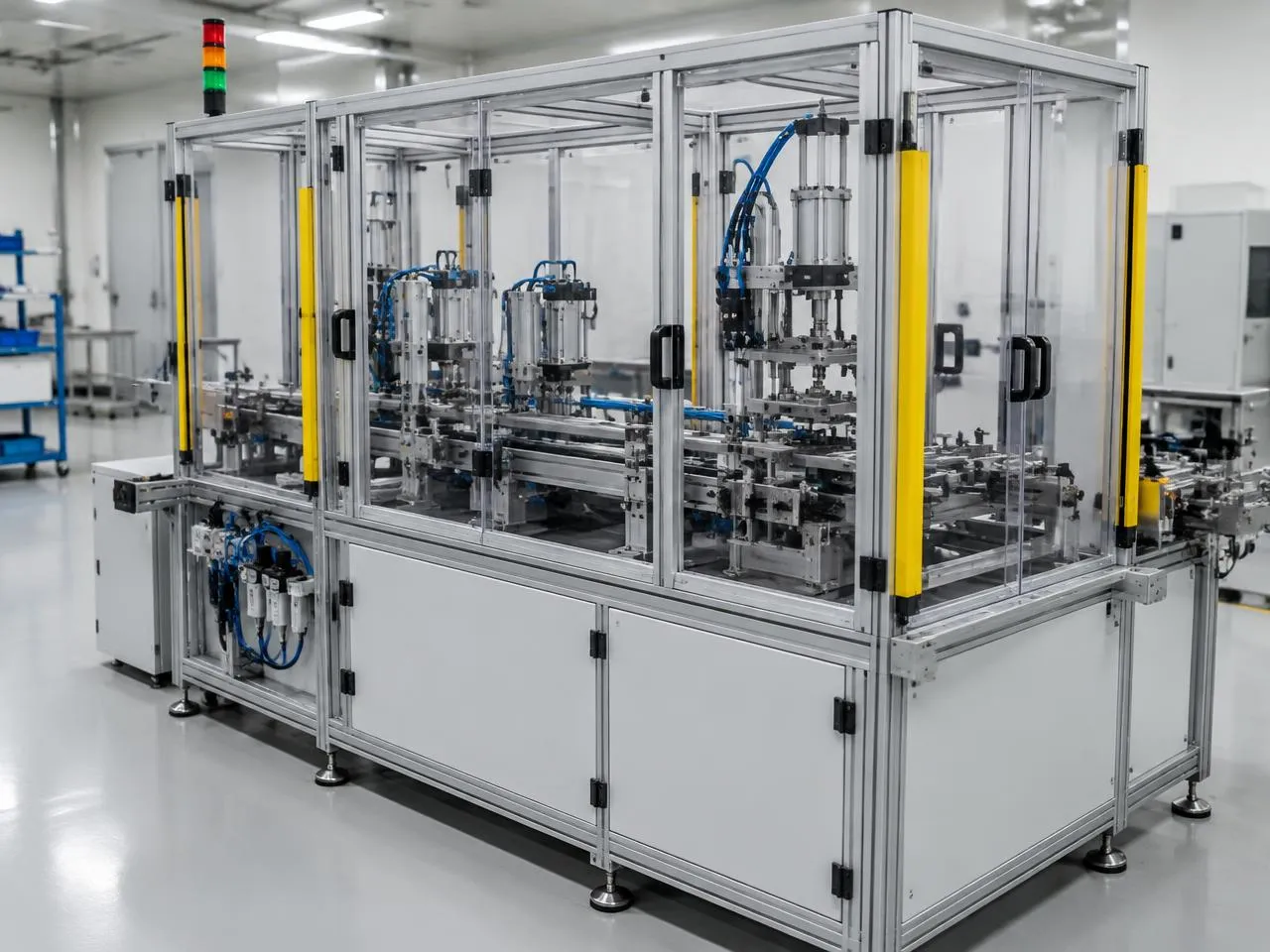
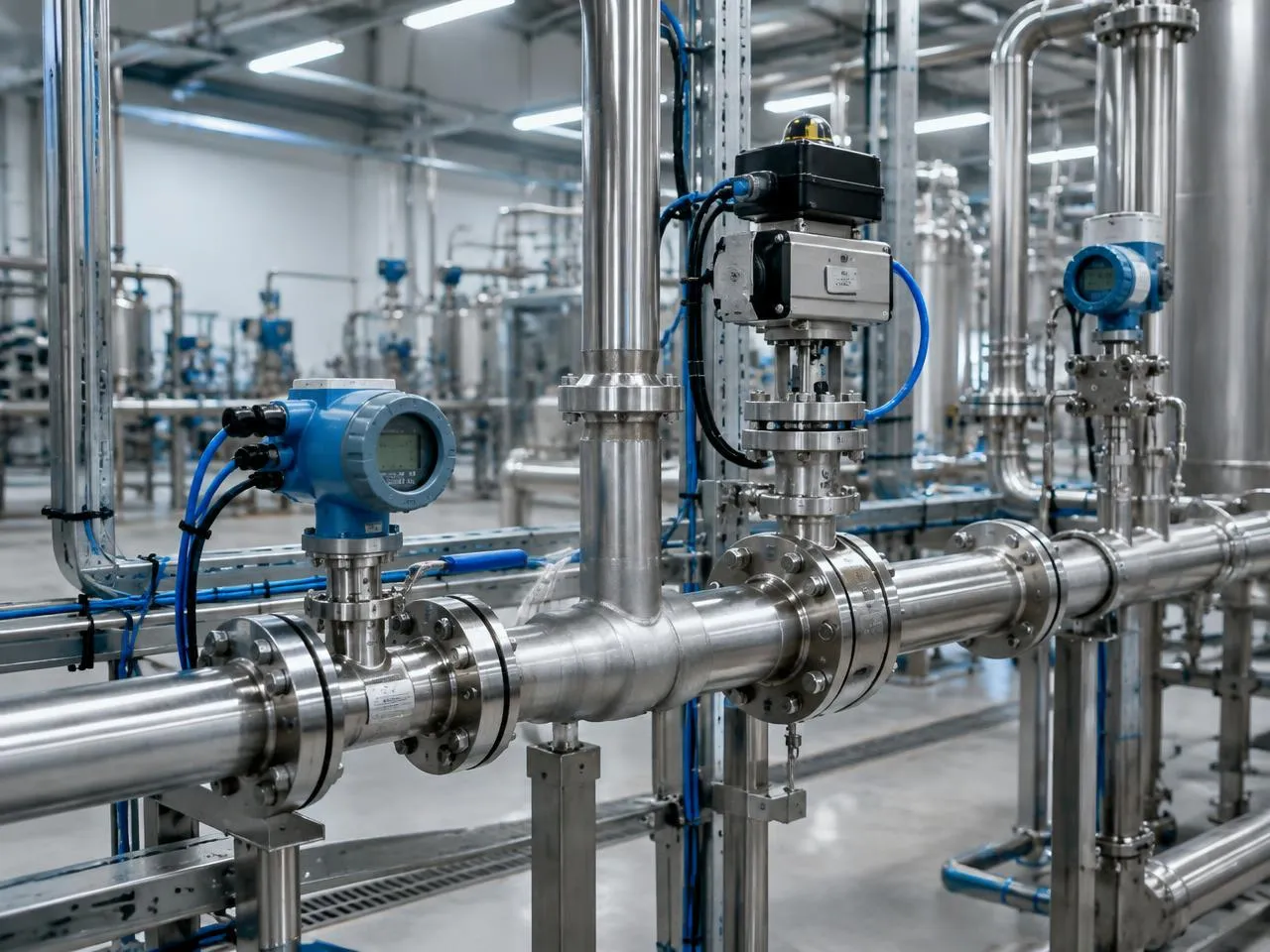
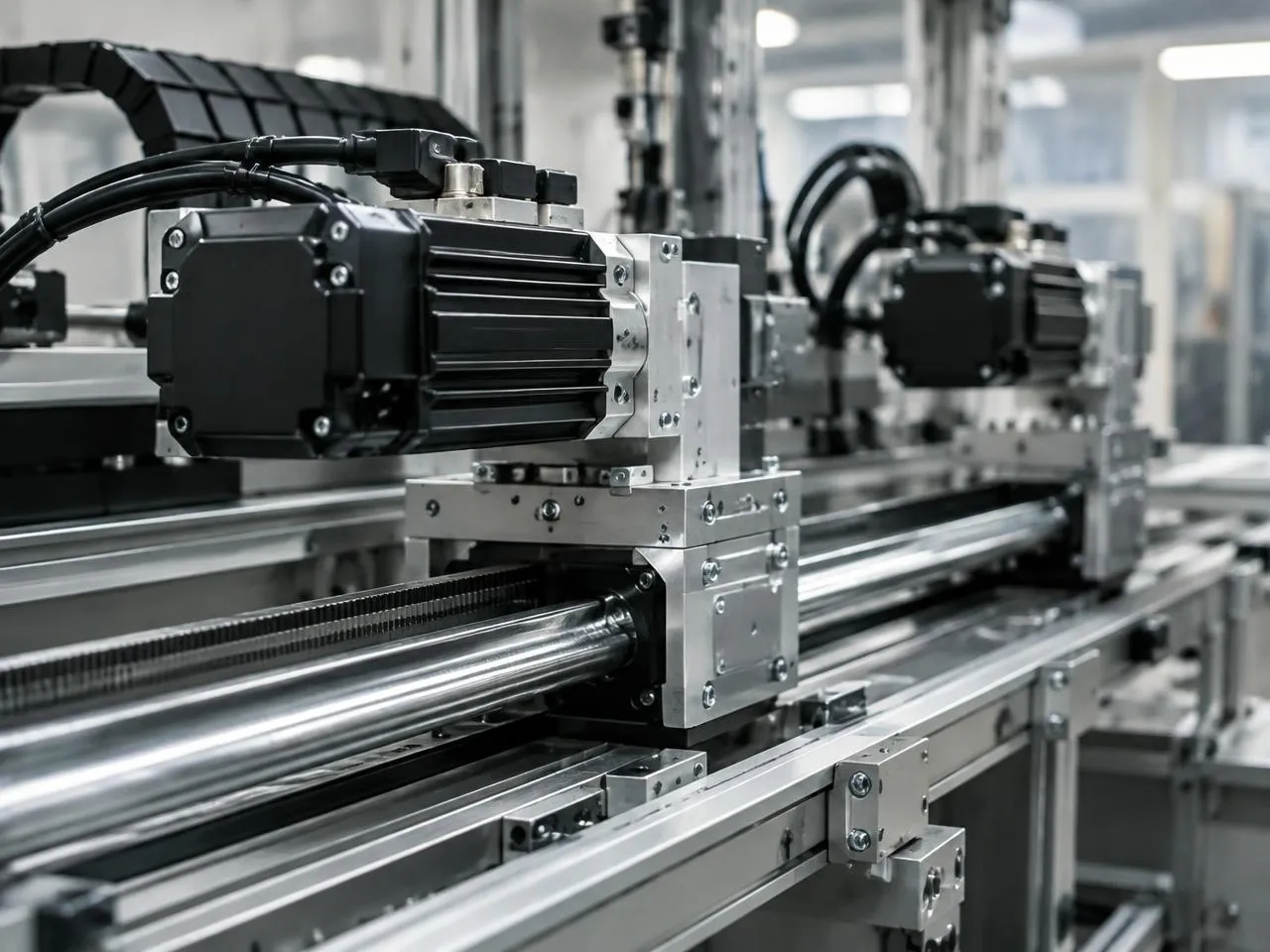
Illustrative industrial imagery; not verified customer installations.
Vision Inspection questions.
Yes. Good and defective samples are essential to evaluate feasibility and choose the right lighting and optics.
Usually yes, subject to mounting space, part presentation and line speed.
The vision result is passed to the PLC, which triggers a reject device or stops the line, depending on your requirement.
Explore more.

Discuss your automation requirement.
Tell us about your machine, production process or control-system requirements.